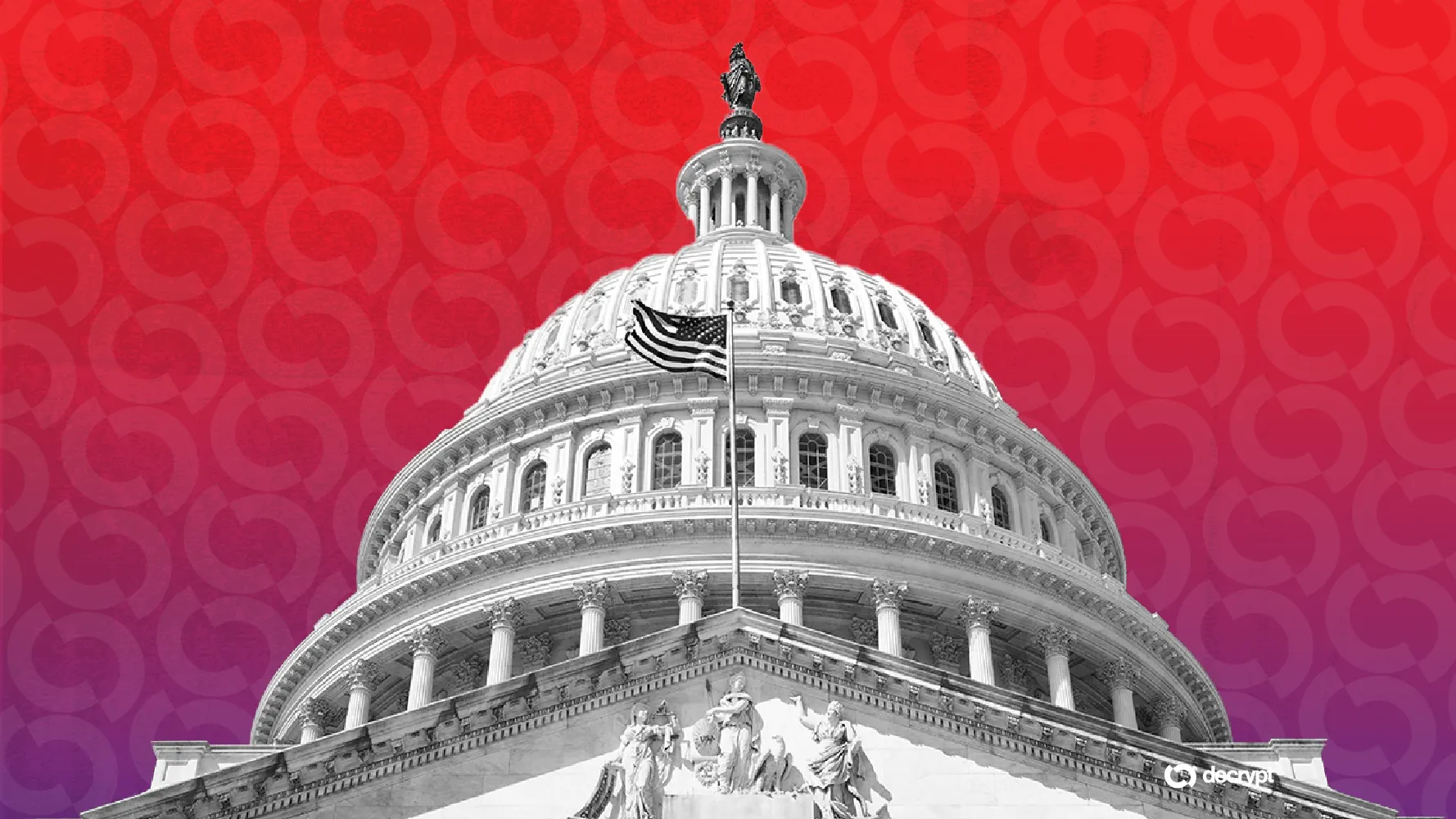
Washington effectively shelved one of the most significant pieces of cryptocurrency legislation in years with a single procedural vote, a move that did not go unnoticed online. Bitcoin’s social media volume surged to a 14-day high on September 15, 2026, the same day the Senate voted 49-50 against advancing the Digital Asset Market Clarity Act (CLARITY Act). This surge in online discussion even surpassed the buzz generated by the Federal Reserve’s recent interest rate decision.
The comparison is telling. Interest rate hikes are known to move markets, dominate financial news cycles, and typically ignite substantial online conversation. The fact that the CLARITY Act vote generated more social volume than such a significant economic event underscores how much the cryptocurrency community had invested in the bill’s success.
The cloture vote on H.R. 3633 fell 11 votes short of the 60 required to move the legislation forward for a full floor debate. The final tally was 49-50, with every Democratic senator voting against advancing the bill. They were joined by four Republican senators, including Susan Collins and Josh Hawley, who defected from the party line.
The bill’s journey to this point had appeared promising. The House of Representatives passed the CLARITY Act in July 2025 with a substantial bipartisan margin of 294-134, indicating significant momentum. The Senate Banking Committee subsequently approved the measure by a vote of 15-9 in May 2026. However, the subsequent floor vote led to the collapse of two years of work in a single afternoon.
According to reports surrounding the vote, the primary sticking point revolved around ethics provisions concerning profits from digital assets. Democrats voiced objections, characterizing the proposed guardrails as insufficient. A number of Republicans who had previously indicated support ultimately withdrew their backing.
Prediction markets reacted swiftly and harshly. Following the vote, the probability of the CLARITY Act becoming law in 2026 plummeted to single digits, a stark contrast to the more optimistic outlook prior to the session.
A Framework for Clarity
The CLARITY Act was founded on a seemingly straightforward principle: to establish a clear distinction between assets regulated by the Commodity Futures Trading Commission (CFTC) as commodities and those overseen by the Securities and Exchange Commission (SEC) as securities. For years, the cryptocurrency industry has operated in a regulatory gray area between these two agencies, with each occasionally asserting jurisdiction and neither providing definitive rules.
Crucially, the bill also proposed a mechanism for tokens initially classified as securities to transition to commodity status as their underlying networks matured and decentralized. This provision was particularly vital for the broader ecosystem, offering projects a structured path to avoid securities classification rather than being forced to engage in costly litigation to determine their regulatory standing.
Market Impact and Industry Reaction
Bitcoin had already experienced downward pressure before the Senate convened. The cryptocurrency had fallen approximately 5% from a peak near $79,500 in the day preceding the vote. The Senate’s decision exacerbated this decline, pushing the price down an additional 1.7% and bringing it toward and below the $76,000 mark.
Companies such as Coinbase and Circle, whose business models are heavily reliant on regulatory certainty, saw sharp declines in their equity values, mirroring the broader cryptocurrency sell-off. Both firms had been among the most vocal industry proponents advocating for the legislation’s passage.
The ethics provisions that formed the core of the Democratic objections pertained to regulations governing how current and former government officials could hold and profit from digital assets. This issue is not merely a technical cryptocurrency matter but a political one, and political disputes often unfold on their own timelines, irrespective of market pressures.