Crypto Traders Face Steep Losses as Short Positions Are Liquidated
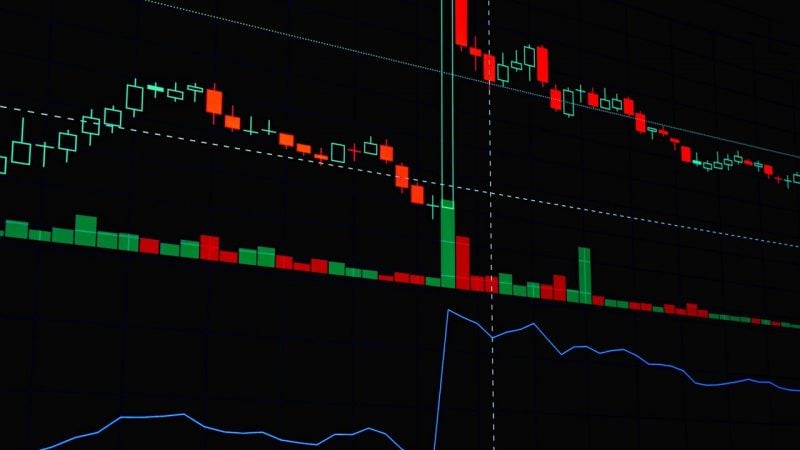
Betting against the cryptocurrency market proved costly this past weekend, with traders seeing $113 million in short positions forcibly closed within a 24-hour period ending October 5, 2026. This figure represents the vast majority of approximately $138 million in total liquidations recorded, according to data compiled by Coinglass. Long positions, which are bets on rising prices, accounted for a mere $25.16 million of these forced closures, indicating that short sellers were liquidated at more than four times the rate of their long counterparts.
A liquidation occurs when a trader using leverage finds that their collateral is insufficient to cover mounting losses. In such instances, the exchange automatically closes the position.
Bitcoin and Ethereum Lead the Liquidation Wave
Bitcoin, the largest cryptocurrency asset, bore the brunt of the market’s downturn for short sellers. Short positions on Bitcoin constituted $57.07 million of the total liquidations, nearly half of all short positions closed during the specified timeframe. Ethereum followed, with $24.04 million in short positions being erased. The most significant single liquidation involved a $5.63 million ETHUSDT short position on the Binance exchange. In total, 42,225 traders across various platforms tracked by Coinglass experienced liquidations.
Binance has frequently been a leader in liquidation volumes, and the occurrence of the largest single liquidation on the platform aligns with this trend.
A Familiar Pattern Emerges
The $113 million figure for short liquidations may sound familiar, as a similar wave of short liquidations totaling $113 million occurred in July 2026. That earlier event was linked to a 4.5% surge in Ethereum’s price towards $1,980, a move that coincided with increased inflows into Ethereum Exchange-Traded Funds (ETFs).
When short positions are liquidated, exchanges are compelled to buy back the underlying asset to close those positions. This buying activity can, in turn, drive prices higher, potentially triggering further liquidations and creating a cascading effect of buying pressure.
Market Positioning and Future Outlook
The stark imbalance between short and long liquidations suggests a significant number of traders had anticipated a decline in prices. The market’s rapid upward movement caught these bearish positions off guard, forcing their closure. Both the July and the recent episodes, with their identical $113 million in short liquidations, were triggered by unexpected price increases that caught short sellers unprepared.
When liquidations become concentrated on major trading venues like Binance, the platform’s risk management systems and liquidation mechanisms play a crucial role in determining the intensity of market movements. Heavy short liquidations typically indicate that bearish sentiment had become overly stretched, while substantial long liquidations would suggest the opposite.
Moving forward, market observers will be watching to see if funding rates and open interest begin to rebuild on the short side, potentially setting the stage for another short squeeze. Alternatively, this past weekend’s market shakeout may have reset positioning towards a more balanced state.