Binance Founder Criticizes Netflix Series on FTX as “Defamatory”
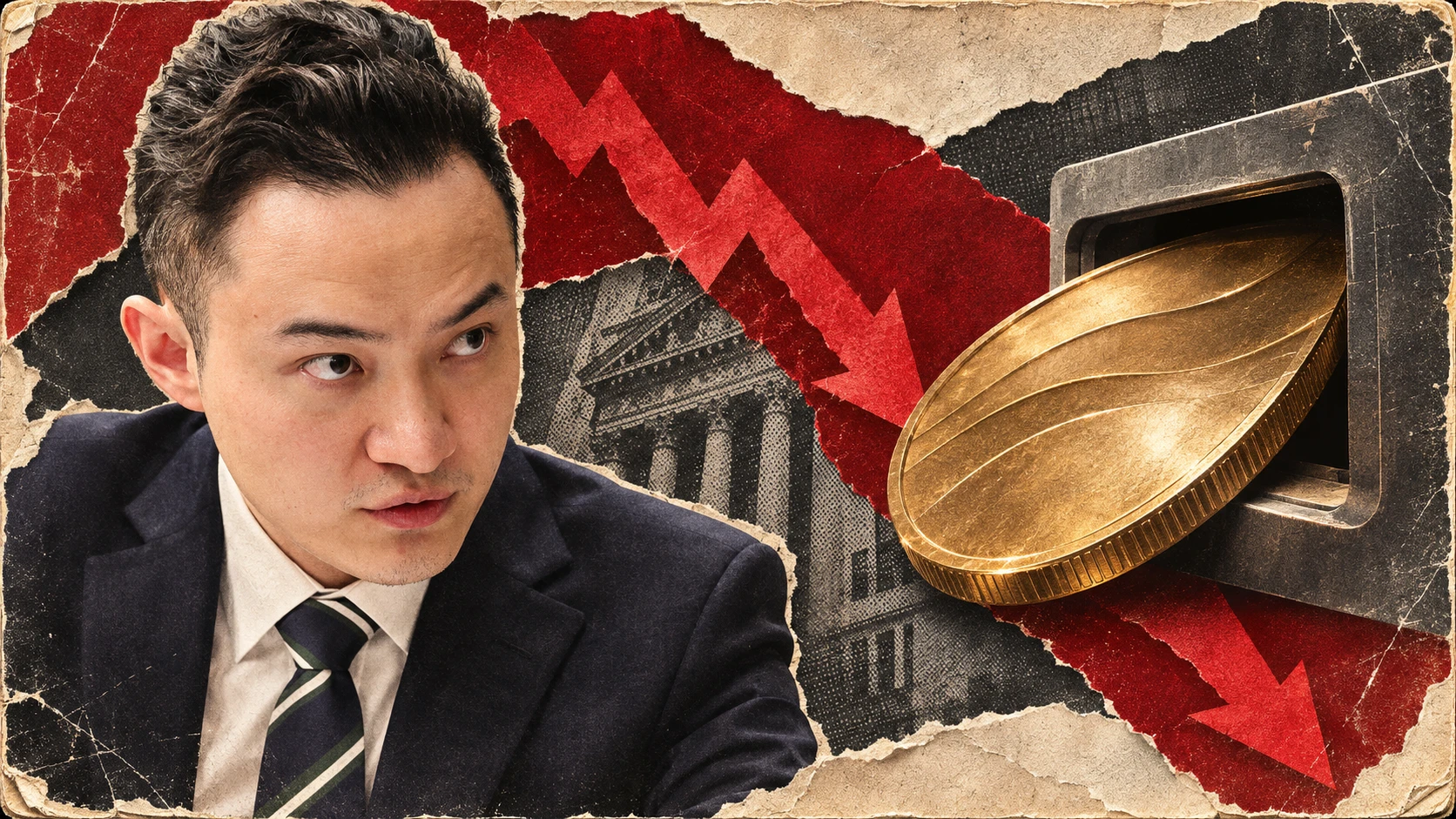
Changpeng Zhao, the founder of Binance, has publicly denounced the new Netflix series “The Altruists,” which chronicles the rise and fall of FTX, calling its portrayal of him “basically defamatory.” Speaking at a panel in Bangkok, Zhao stated he is consulting with lawyers and questioned the narrative’s decision to depict him as a villain while casting FTX founder Sam Bankman-Fried in a more sympathetic light.
The comments were made during a fireside chat at Binance Blockchain Week in Bangkok on Saturday. Zhao, widely known as CZ, asserted that the show fundamentally misrepresents reality and suggested the filmmakers’ intent was to portray him negatively and SBF positively.
While Zhao admitted he had not watched the entire series, relying instead on clips shared on social media, he had previously taken to X (formerly Twitter) the day after the show’s release to call it “insane, and complete BS.” He questioned the production’s motives in shaping public perception.
“Wow, this is insane, and complete BS. I guess this is how they control ‘public perception’?” Zhao posted on November 20, 2026, along with a clip from the show.
During the panel, Zhao repeatedly emphasized his limited interactions with Bankman-Fried, stating they had met “about five times” and their relationship was purely that of competitors, with no personal animosity. He speculated that the series’ decision to cast him as an antagonist was a strategic move to pave the way for Bankman-Fried’s potential future clemency.
“My guess is, they might be paving the way for clemency, maybe in two years, six years, maybe ten years,” Zhao said.
Bankman-Fried was sentenced to 25 years in prison for fraud related to the collapse of FTX and filed a formal clemency request with the U.S. Department of Justice in June. Former President Donald Trump, in a January interview, indicated he had no plans to pardon Bankman-Fried. Zhao himself received a pardon from Trump in October 2025, after serving approximately four months of a sentence, with Trump later stating he was unaware of Zhao’s identity.
Zhao also expressed concern about the intended audience of the series. He argued that individuals within the crypto community are aware of the actual events, and the show aims to influence those outside the industry, lamenting the lack of reach to counter the narrative being presented.
“The Altruists” released all eight episodes on Netflix on November 19, detailing the trajectory of SBF and the FTX empire. Following Zhao’s initial criticism, Ethereum co-founder Vitalik Buterin weighed in on X, noting that the show exaggerated CZ’s accent by approximately three times compared to his memory. Buterin questioned the portrayal, suggesting it bordered on racism.
“Wow, they foreign-ized your accent about ~3x more than how I remember you speaking. Also the whole ‘the only reason to go to foreign countries is to be sketchy’ meme. I think we’re far enough from woke that it’s ok to start using the word ‘racist’ again?” Buterin tweeted on November 21, 2026.
Constance Wang, former COO of FTX, also criticized the show’s depiction of Zhao in an interview on Wednesday, calling it “very racist.” She had previously expressed disgust upon seeing the trailer in October. In contrast to Buterin and Wang, Zhao focused his critique on reputational damage and the clemency narrative rather than racial discrimination.
In a statement about his creative process, the show’s screenwriter, Graham Moore, acknowledged that there was no evidence CZ had specifically requested FTX to engage in front-running, yet the series included such a plotline. Netflix had not responded to the criticisms by the time of publication.
Under U.S. law, public figures seeking to prove defamation must demonstrate “actual malice,” meaning the defendant knew the information was false or acted with reckless disregard for the truth. Dramatizations based on true events generally fall under free speech protections, and courts are often reluctant to hold creators accountable for every line of dialogue. For fictionalized plots to be considered defamatory, it typically requires the audience to clearly identify the real person being depicted, and the portrayal must be understood as a statement of fact, a high legal bar to clear.
The complexities of international jurisdiction also present challenges. With Netflix’s global viewership, different legal frameworks apply in various markets, potentially limiting the impact of any legal victories regarding takedowns or damages.